What to see in Gáldar: 12 must-sees in the north of Gran Canaria
Gáldar, the city of the guanarteme kings
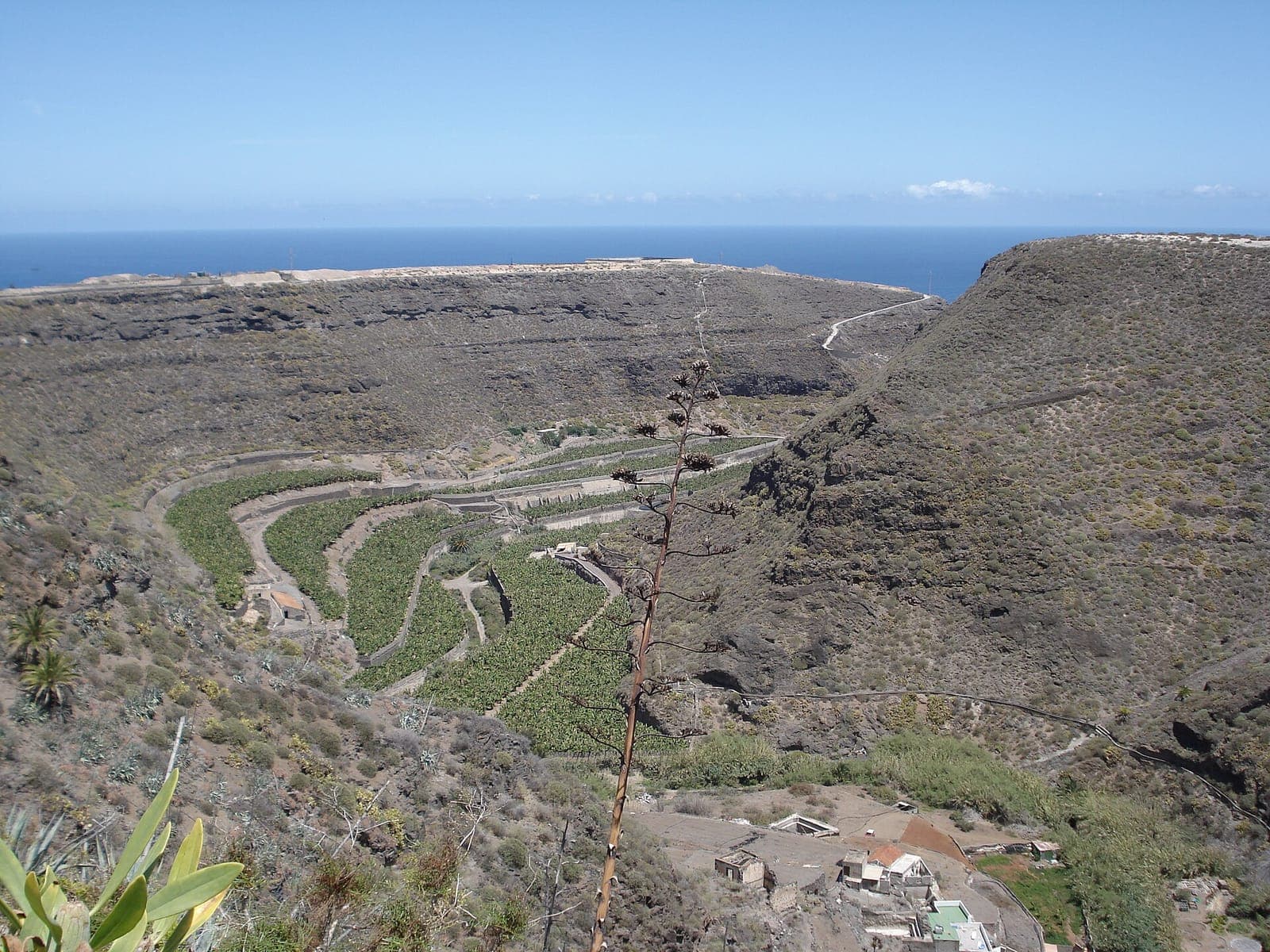
Gáldar was the capital of the aboriginal kingdom of northern Gran Canaria, the court of the guanartemes who ruled the island before the Castilian conquest. That heritage can still be felt on every corner today: in its archaeological site, in the cobbled old town and in the pride with which its people tell their story. Unlike the tourist bustle of the south, Gáldar offers a Gran Canaria that is unhurried, authentic and deeply local — ideal for anyone seeking culture, nature and good food.
It is about 25 minutes by car along the north of the island and can be comfortably explored on foot in a morning. Below we run through the must-sees you shouldn't miss.
1. The Cueva Pintada, an archaeological jewel of the Canaries
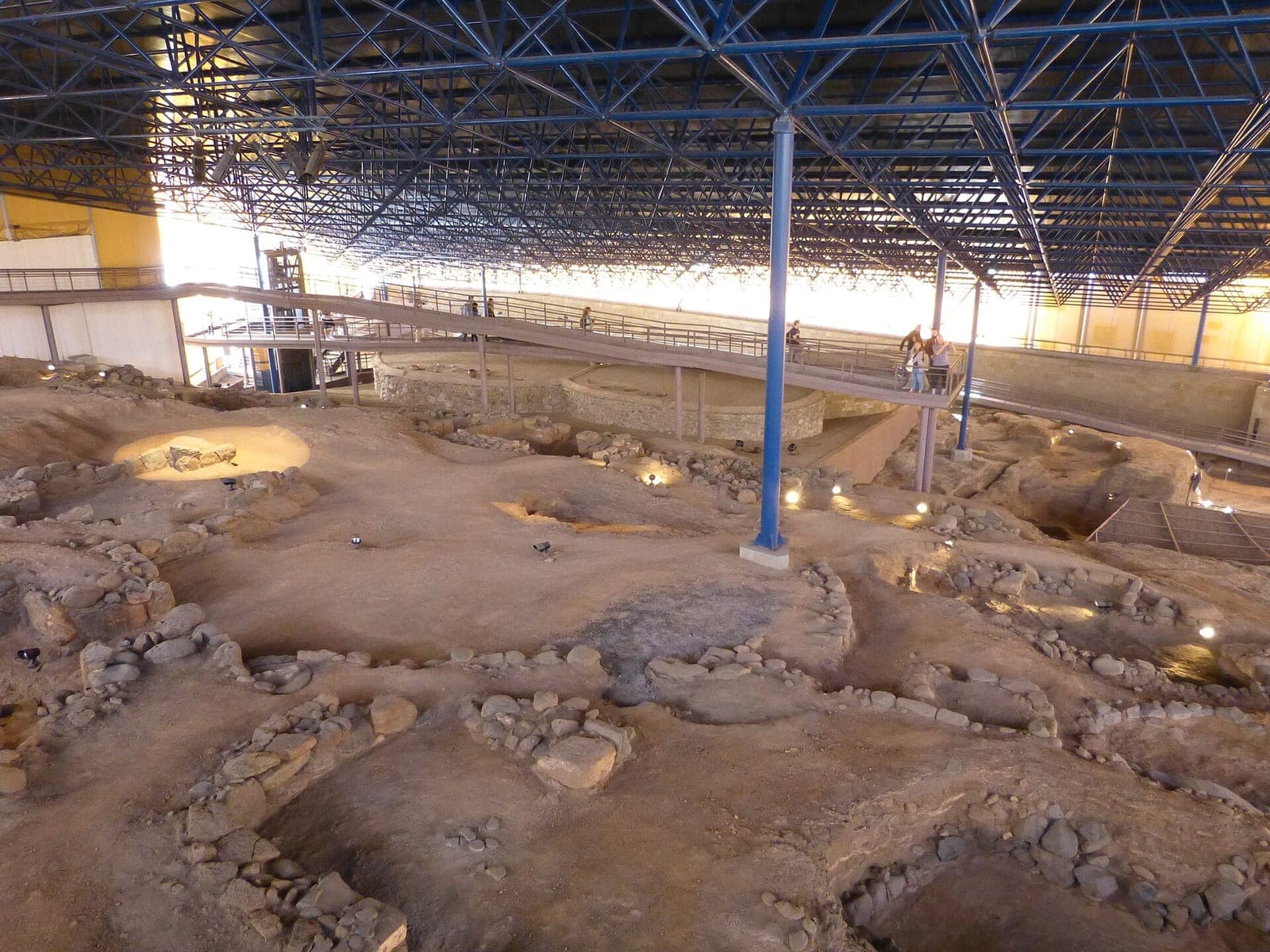
The Cueva Pintada (Painted Cave) is, without question, the star attraction of Gáldar and one of the most important aboriginal sites in the Atlantic. Discovered in the 19th century, it preserves a chamber with geometric motifs painted in red, white and black of extraordinary beauty, attributed to the culture of the ancient Canarians. The site has been turned into a museum, with a raised walkway that lets you take in the pre-Hispanic settlement excavated beneath the town centre.
The Cueva Pintada Museum and Archaeological Park includes a permanent exhibition, audiovisual displays and a guided tour of the site. It's worth booking tickets in advance, especially in high season, as access to the cave is limited to protect the paintings.
2. The historic old town and the centuries-old dragon tree
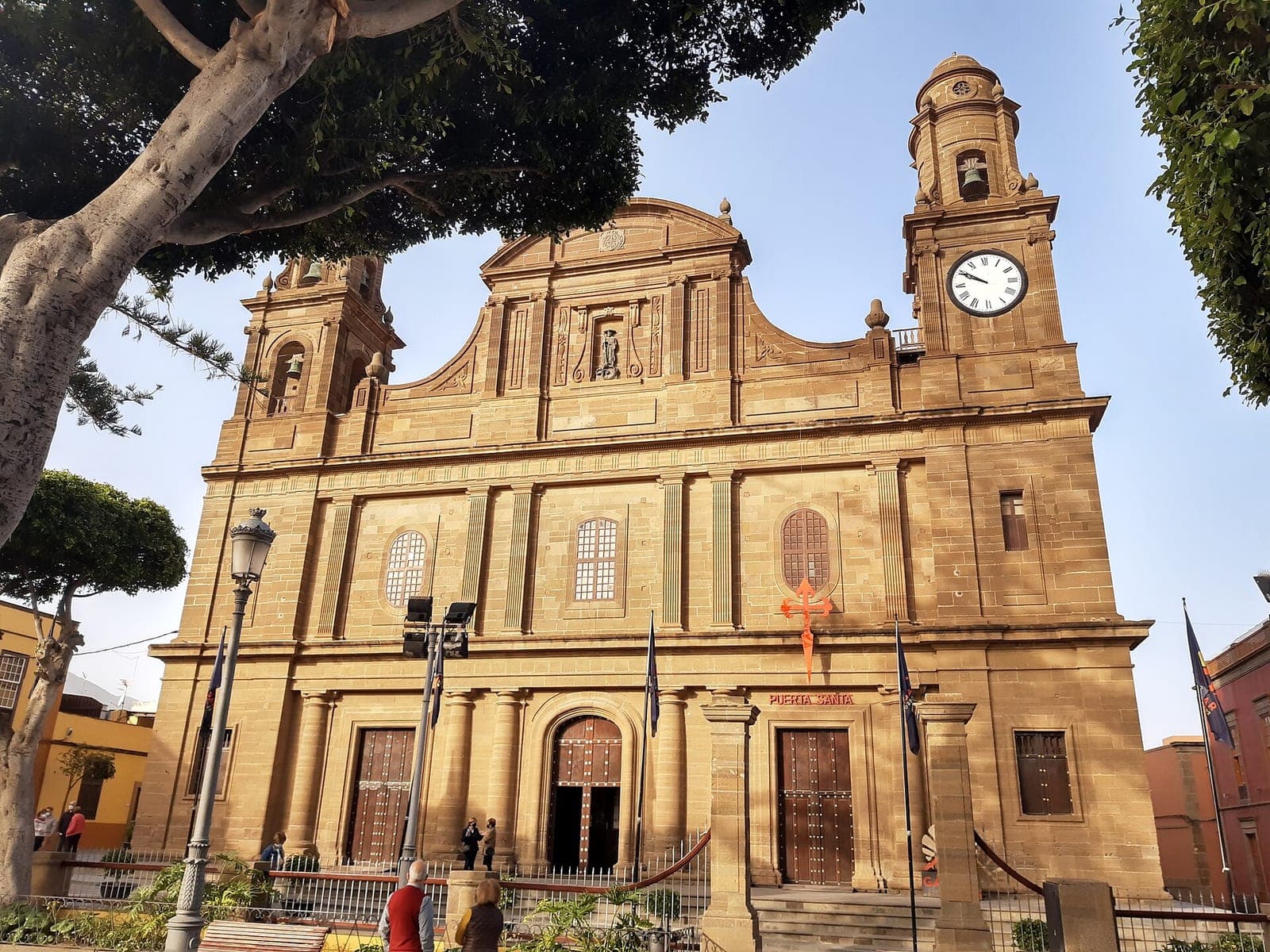
The centre of Gáldar is a pleasure to wander at a leisurely pace. The Plaza de Santiago, presided over by the imposing church of Santiago de los Caballeros — one of the most significant neoclassical churches in the Canaries — marks the heart of the city. Inside it preserves the Pila Verde, a Gothic baptismal font of Flemish origin with centuries of history.
Very close by, in the courtyard of the Town Hall, grows a centuries-old drago (dragon tree), the botanical symbol of the archipelago. It is one of the oldest cultivated dragon trees on the island and well worth stopping for a photo. Around it you'll find stately mansions, the Teatro Consistorial and pedestrian streets with traditional shops.
3. Sardina del Norte beach
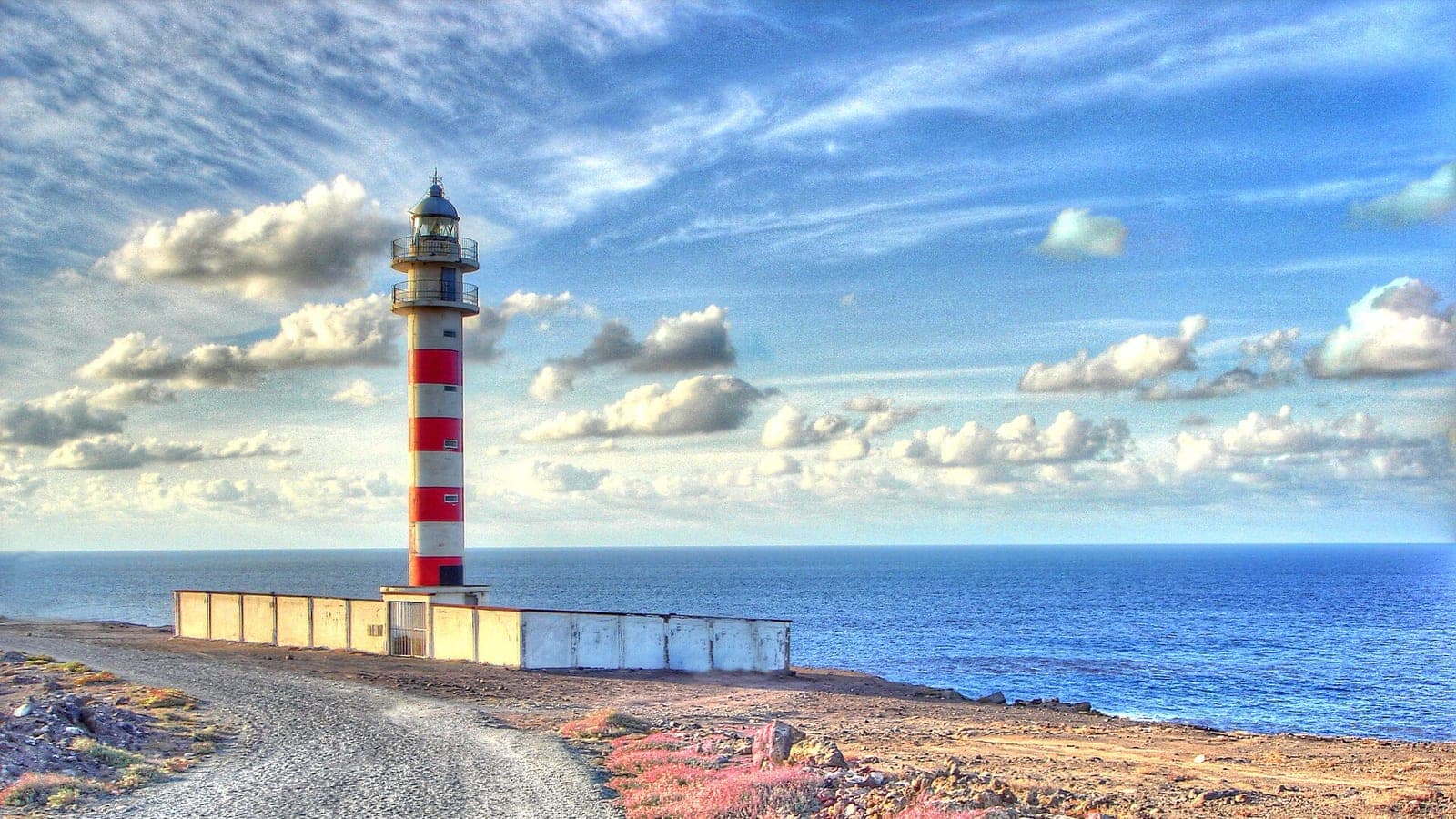
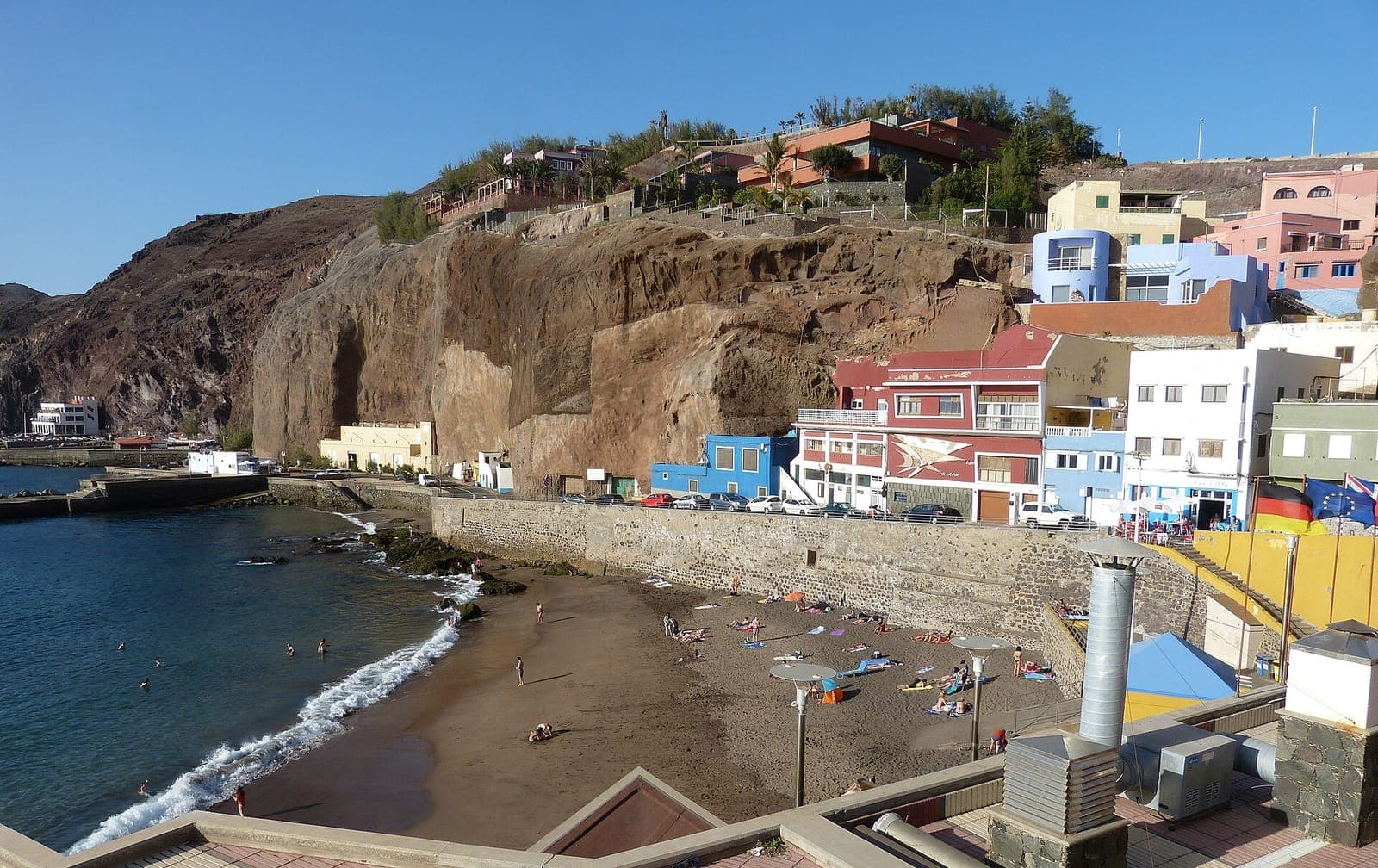
A few minutes from the town centre lies Sardina del Norte, a fishing village with a cove of crystal-clear, sheltered waters, perfect for swimming and diving. Its rocky seabed and the transparency of the water make it one of the most prized dive spots in the north of Gran Canaria.
The promenade beside the small harbour is dotted with fresh-fish restaurants where you can round off the day with views over the Atlantic. It's the perfect plan: a swim in the morning and a seaside lunch at midday.
4. The street market, the cheeses and local produce
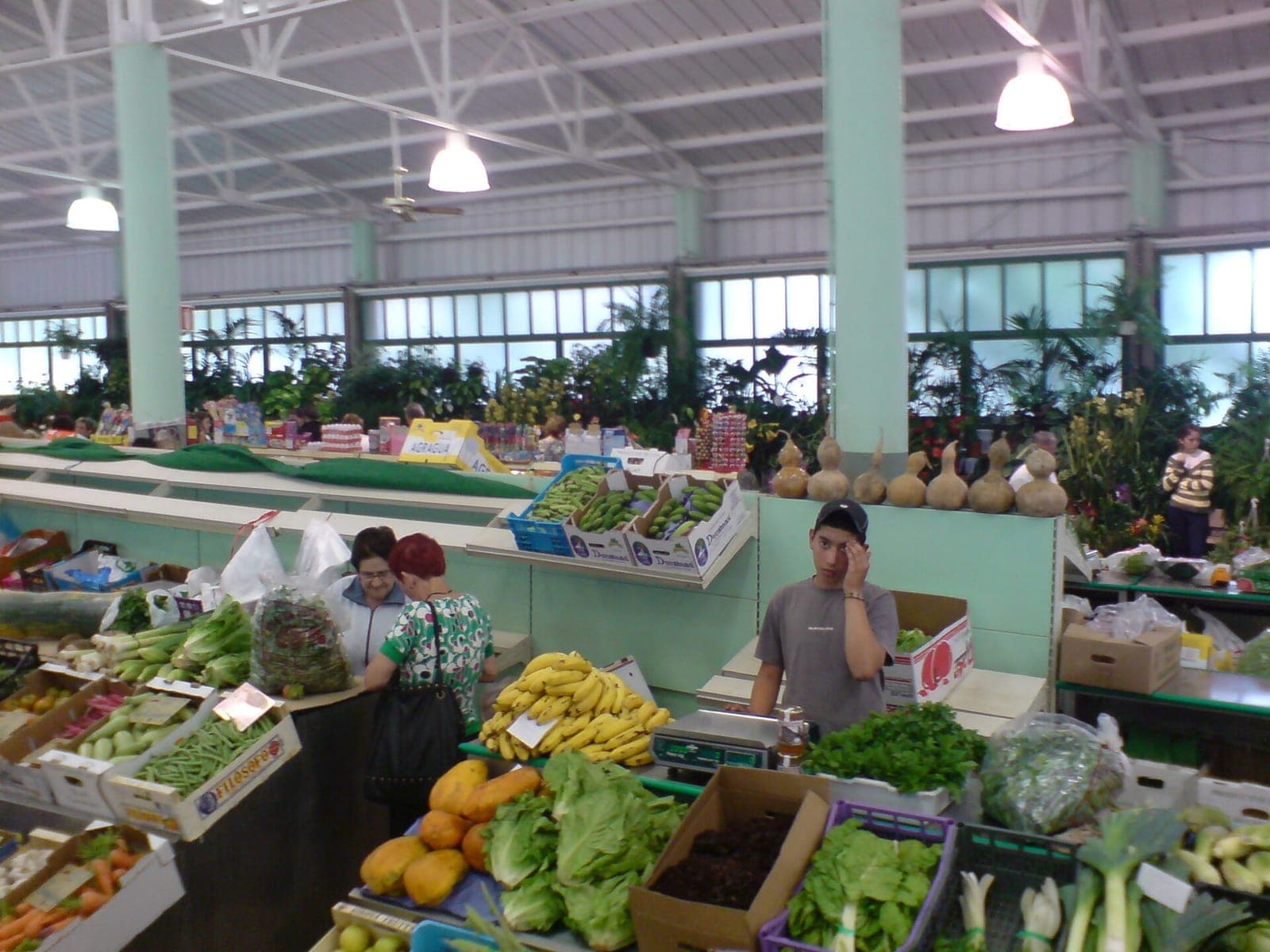
The north of Gran Canaria is the island's agricultural and farming larder, and Gáldar reflects this in its street market and local produce. Don't leave without trying the queso de flor de Guía (the flower cheese from the neighbouring district of Guía), made with vegetable rennet from the cardoon thistle and holding a Protected Designation of Origin, or the area's tropical fruits such as mango and avocado.
- Queso de flor and media flor de Guía, with Protected Designation of Origin.
- Seasonal tropical fruits: mango, avocado, papaya and plátano de Canarias (Canary banana).
- Traditional sweets and local honey.
- Wines from the north, a wine-growing region on the rise.
5. Where to eat in Gáldar
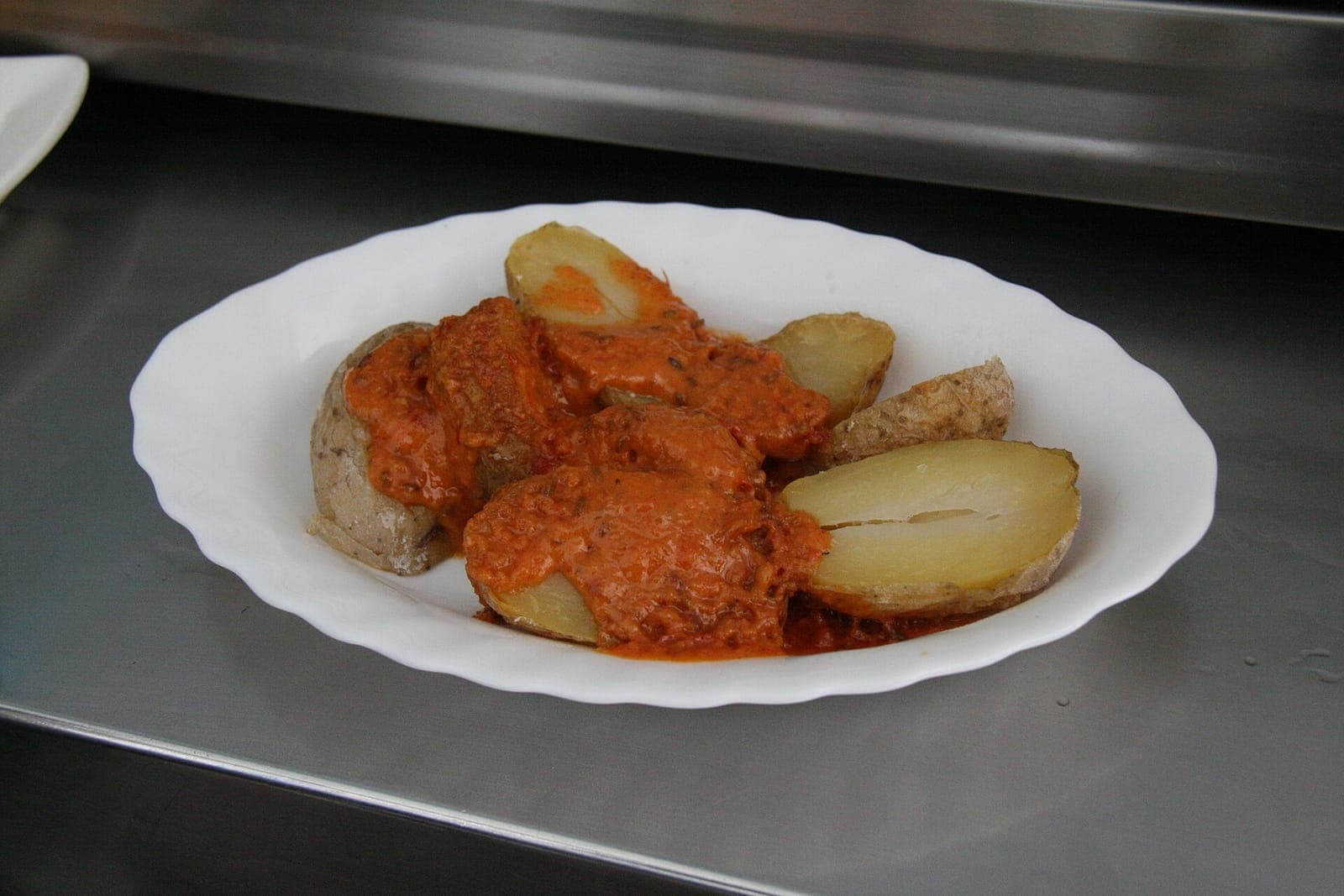
Food is a compelling reason to visit Gáldar. In the old town you'll find tascas and guachinches (rustic local eateries) where you can try honest Canarian cooking: papas arrugadas (wrinkled potatoes) with mojo, watercress stew, fresh fish grilled skin-side down, cochino negro (black pig) meat and ropa vieja. In Sardina del Norte, the menu leans towards seafood and the catch of the day.
- In the historic old town: traditional Canarian cooking and tapas.
- In Sardina del Norte: fresh fish and seafood rice dishes by the sea.
- Local desserts: bienmesabe, frangollo and quesillo.
6. Getting around and where to stay
The most convenient way to explore Gáldar and its surroundings is by car, since many corners of the north — ravines, viewpoints and hidden beaches — are within easy reach from here. The city is well connected by the northern motorway (GC-2) to Las Palmas de Gran Canaria, about 25-30 minutes away.
If you want to experience the authentic north without giving up your peace and quiet, the ideal option is to stay in the area and use Gáldar as a base to discover the district. A finca or country house with a garden gives you the calm that the tourist south doesn't offer, and leaves you a stone's throw from the guanarteme culture, the peaceful beaches and the island's finest cuisine.